
Programs
Creative, practical, and built around your students.
Our programming is organized into four pathways, starting with behavioral skills and counseling. Partners can focus on one or combine elements from each.
Behavioral Skills & Counseling
The foundation of everything else: young people learn to understand and manage their own behavior, and get support when they need it.
- Behavioral skills: self-regulation, communication, and decision-making
- Rehab counseling and recovery support
- Clinical therapy for students, with insurance support
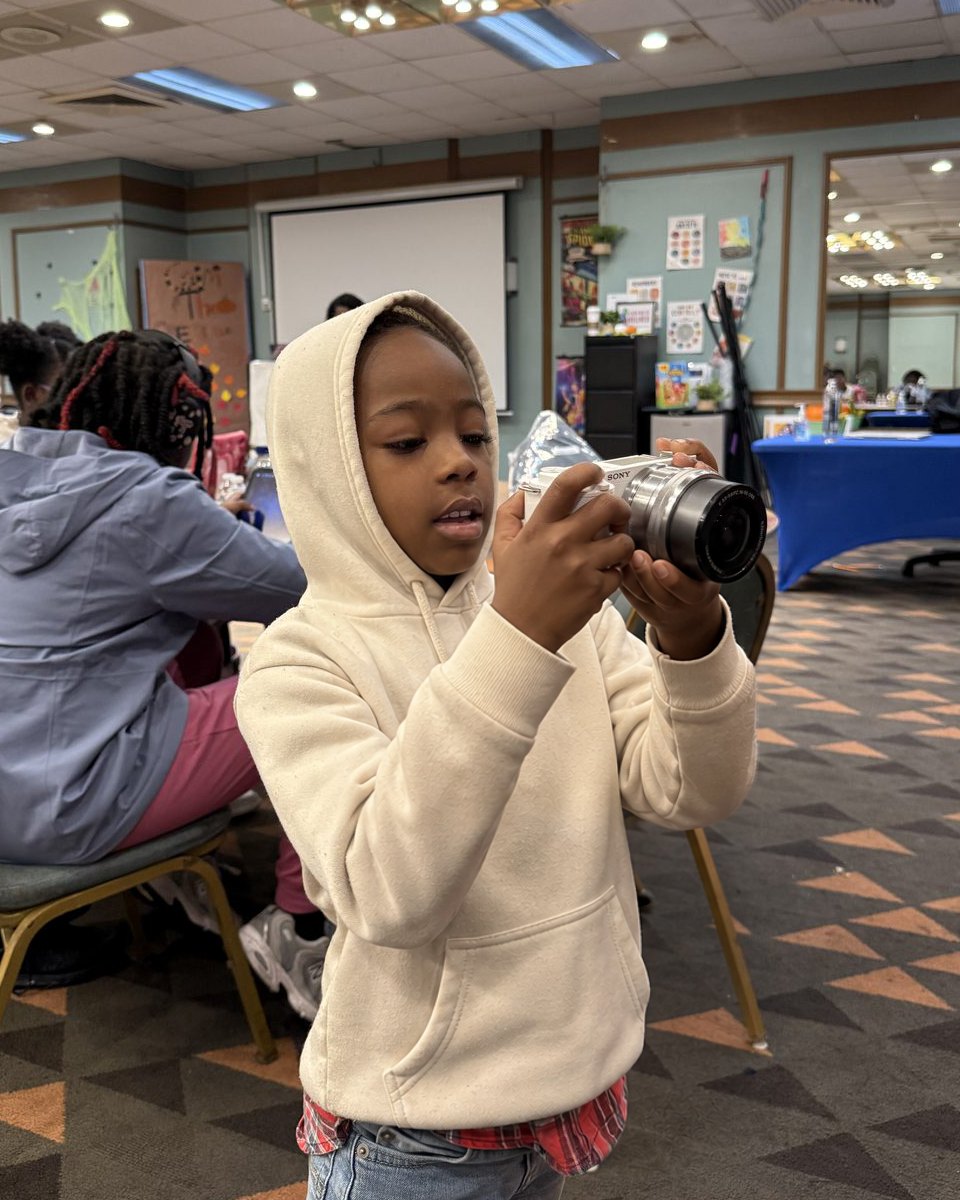
Creative Expression & Media
Young people learn to see, frame, and tell stories — and to use media with intention.
- Photography and visual storytelling
- Videography and basic editing
- Content creation and digital citizenship
- Marketing, communications, and personal branding
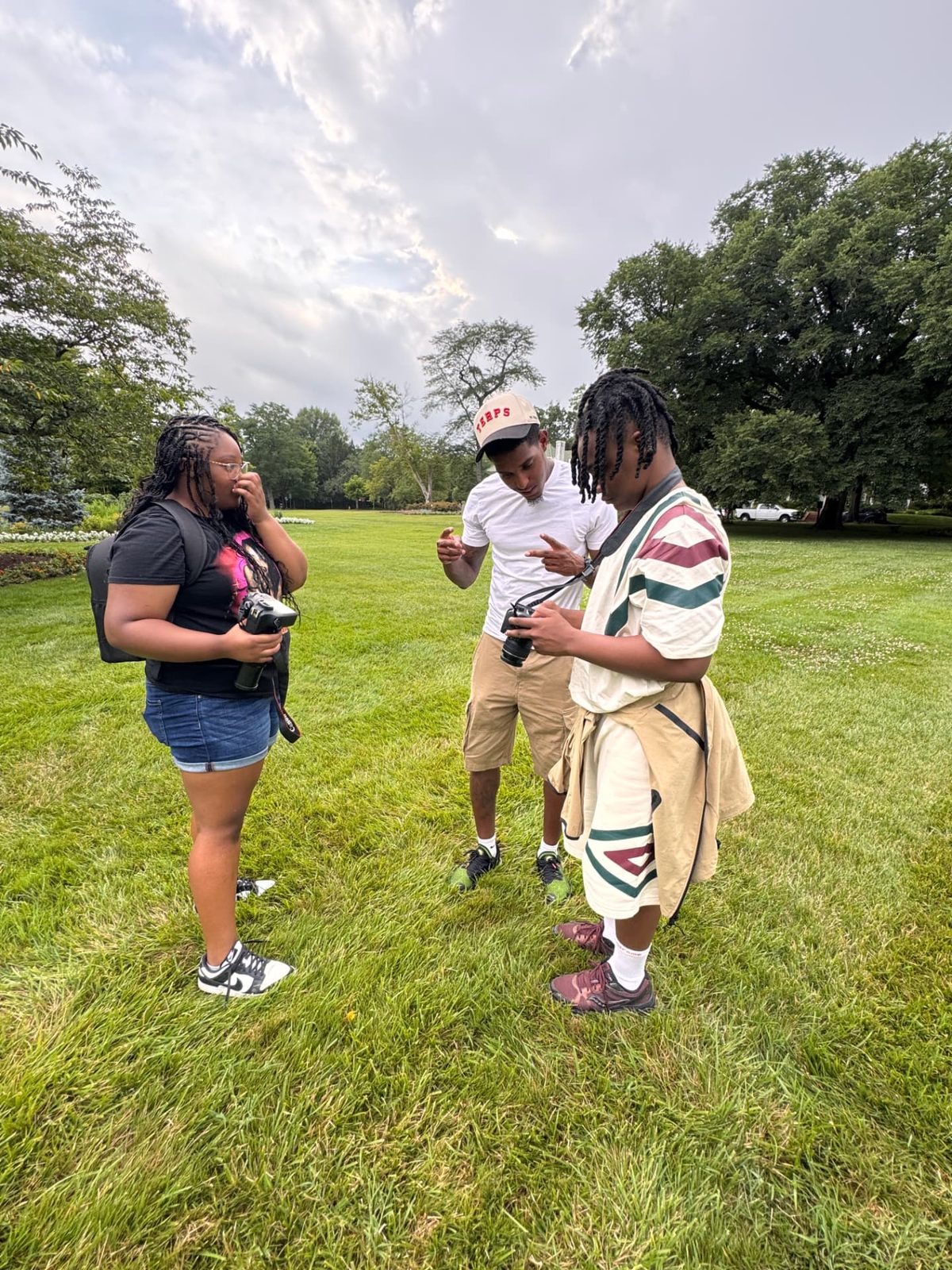
Career, College & Entrepreneurship
Practical preparation for the next step — a job, a campus, a trade, or a business idea — built through workshops, interactive activities, guest speakers, reading reports, field trips, and real connections.
- College and career readiness workshops and interactive activities
- Guest speakers from local careers, colleges, and trades
- Reading reports that build research and reflection habits
- Field trips to campuses, workplaces, and community sites
- Connections to mentors, programs, and opportunities
- Resumes, interviews, and workplace communication
- Business ideas and introductory entrepreneurship
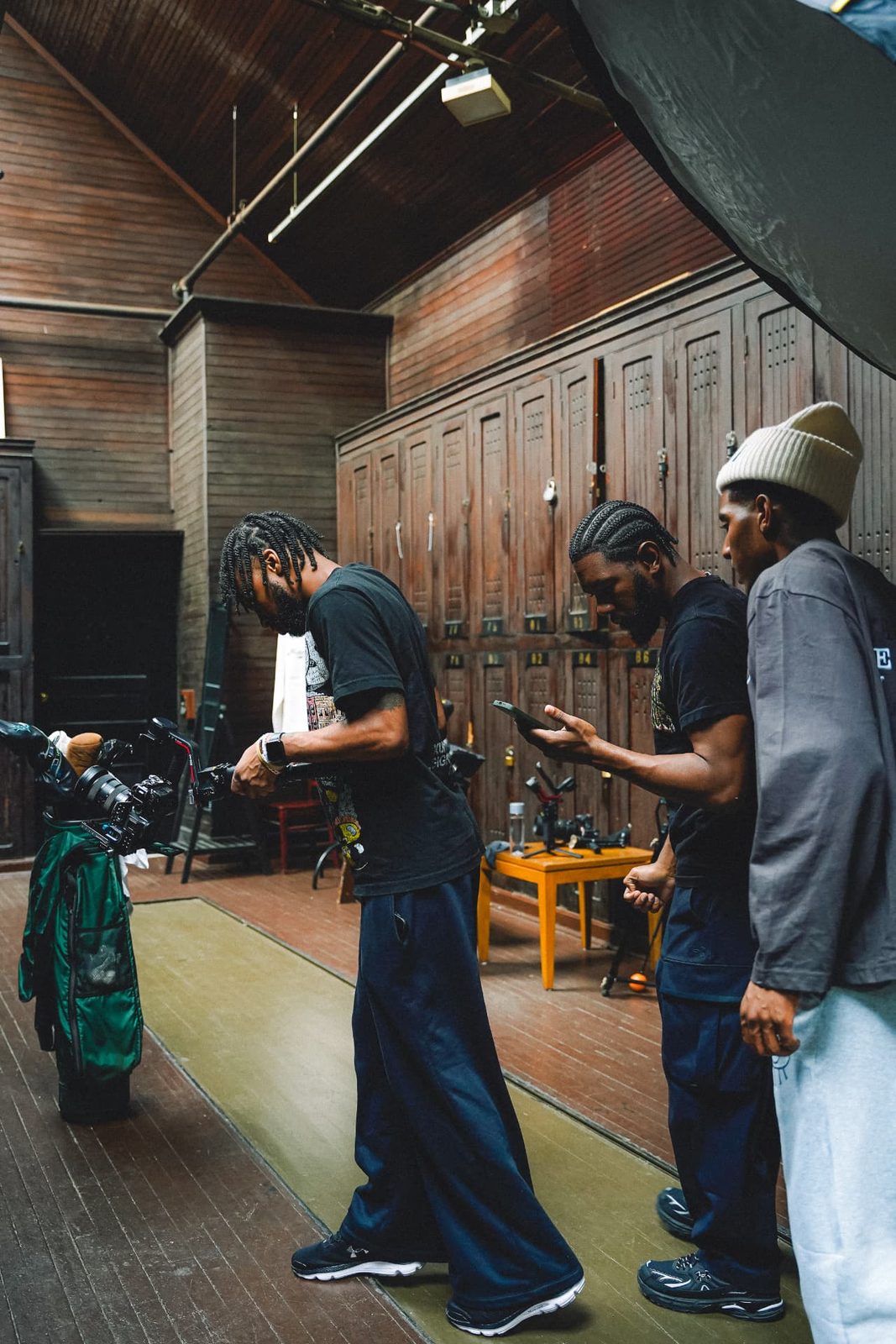
Life Skills & Leadership
The habits that hold everything else together: planning, money, teamwork, and showing up for others.
- Budgeting and saving
- Goal setting and decision-making
- Teamwork and communication
- Accountability and community engagement
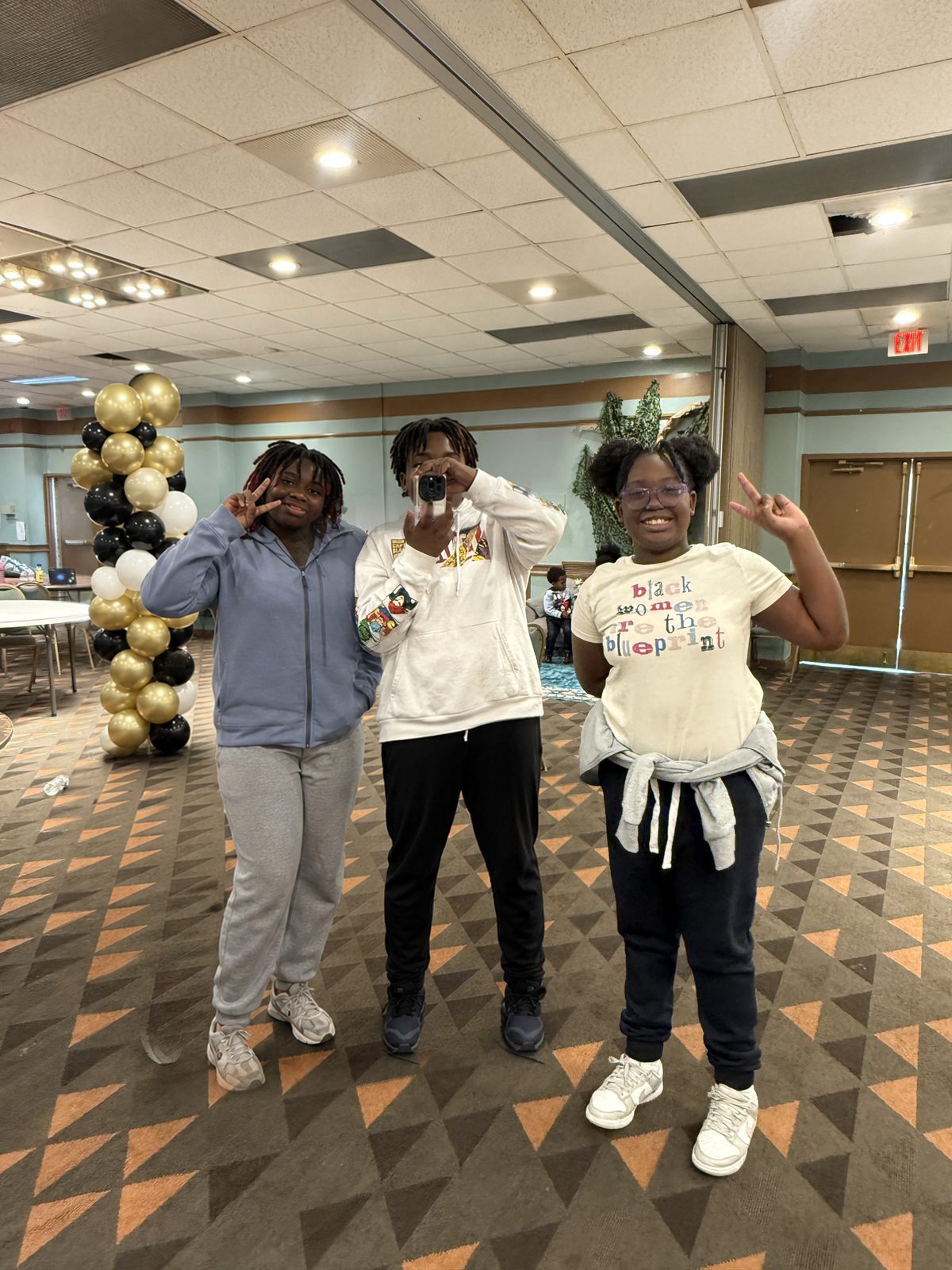
Delivery formats
Formats we can discuss.
Every format is shaped with the partner, and depends on scope, scheduling, and goals.
- 01Introductory workshops
- 02Multi-session workshop series
- 03Multi week pilot programs
- 04Semester partnerships
- 05After-school and summer enrichment
What students can walk away with
Tangible skills and real work.
Every group is different, and results depend on each student. These are the kinds of things programming is designed to build toward.
Skills
Camera and editing basics, interview practice, budgeting, presenting an idea, working on a team.
Work products
Photo stories, short videos, resumes, budgets, pitches, and action plans students can keep using.
Direction
A clearer sense of interests and strengths, and concrete next steps to explore.
Connections
Relationships with mentors and peers, and awareness of local resources and opportunities.
Partnerships
Programming shaped around your students.
Project E.Y.E. partners with institutions that serve young people to deliver creative, practical enrichment — from a single workshop to a semester-long partnership.
Schools and school systems
In-school workshops, advisory periods, career weeks, and semester-long enrichment.
Youth development and community organizations
Programming that complements your existing work with young people.
Recreation, after-school, and summer programs
Hands-on sessions that fit your schedule and your space.
Colleges and workforce organizations
Readiness content that helps young people prepare for the next step.
Businesses and sponsors
Support programming for young people in the communities you serve.
Behavioral health, PRP, and recovery providers
We deliver the enrichment side of a student's plan, and offer rehab counseling and clinical therapy with insurance support.
The process
Four steps from first call to final session.
- 1
Tell us about your students and goals.
- 2
Select the focus areas and delivery format.
- 3
Develop a clear scope, schedule, and investment.
- 4
Deliver programming and review participant work and feedback.
Good to know
Practical details.
- Programming can be adapted to age group and partner goals.
- Pricing depends on session count, cohort size, staffing, materials, and location.
- Clinical therapy for students is available with insurance support.
- Supervision, space, accessibility needs, and permissions are confirmed during planning.